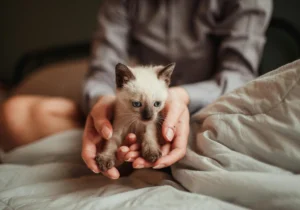
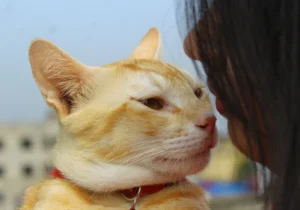
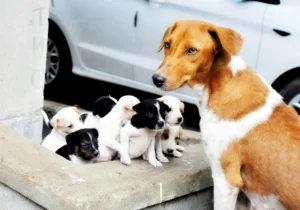
Cats are very popular pet in all over the world and for many people it becomes a source of happiness and peace but several condition it may be cause a negative effect on human life 5 reason why cat are bad for your health
Cats Cause Allergies
Many peoples are allergic from hairs of cat or skin of cat can cause allergy This can result in human as symptoms of different allergies such as runny nose difficulty in breathing these all are cause allergies in humans
Danger Of Toxoplasmosis
Toxoplasmosis is the most common parasitic infection in world This microbes is present in cat feces this disease is dangerous for pregnant womans and also who has weak immune system thisdisese is dangerous for these types of peoples
If a cat gets angry or scratches while playing wound can form on skin sometimes these wounds can make bacteria which enters in your body and make infection which can lead to pain and swelling
Increase In Asthma Problem
in 5 reson this also the part of 5 reason Tiny hairs of cat spread through the air and cause the problem of asthma This is very dangerous for already suffering from asthma problems coughing shortness of breathing and chest tightness in sensitive peoples these5 reason is very dangerous
Difficulty In Sleeping And Mental Rest
Some cats are active in nights his sounds running around or repeatedly seeking attention can affect the sleep
Table of Contents
Conclusion
Cat is also a great companion for many peoples but it also make a different disease in humans if you not take care of your cat so doctors checkup is very important for cat life and also for your life 5 reason is very dangerous
This rule called 333 because first 3 days weeks or months is very tough for dogs So if you are a dog lover and you buy a new dog or puppy for your home so you must know about 333 rule so this rule learn the different methods for training to dogs and also tells the owner that you should train your dog with care and patience
Table of Contents
First 3 Days Stage Of Fear And Anxiety
When you buy a dog and dog come to new place so this first three days is very difficult for dog because the whole environment is changed he saw new faces new voices so that’s why dogs looks very nervous and these days is very difficult for every dog or puppy so that time dog looks like
Dog did not take interest in his meal even his favourite food
Your dog feels nervous and fear
Sleeps or hides a lot
So that time you should provide a comfortable place to your dog and leave them alone
First 3 weeks The Trust Building Face
After 3 weeks dog should adopt the environment of home so dog looks like
Dog should know his owners and family members living in house
Dog express the love and want to play with you
Dog becomes able to accept basic training
So this is the time you should perform good attitude with dog and give gift or treat so dog should learn easily
First 3 Months Complete Adjustment Phase
After spending 3 weeks or months in home dog should know everything about you and about your home so that time dog looks
Dog make strong relashionship with family memebers
You should see clear changes in his training or attitude
You should see the personality or habits of your dogs
Why 333 Rule Is Important
This rule will learn you that new dog should take time to adjust in your house so you should train your dog with calmness and patience and love your dog
How you take care of your new dog
Give comfortable place to your dog
Give training with positive attitude
Vaccinate your dog and medical checkup is very important
Conclusion
333 rule is very important for dogs owners because 333 rule learn us that how you train your dog when you should train your dog so this is very helpful for you because this dog will be a great companion in future
Cats do not express his love like a human but there is a lot of unique styles with cat to express his feelings if you have a kiitten in home so maybe they express his love for you daily but you don’t understand his language so now we learned how our cats says I love you in your own language
If you see your cat is purring this is the sign of happiness or satisfaction if cat purring in your lap or lie down beside you so this is the sign of love sometimes cats purring in pain but most of time this is the sign of happiness
1 Blink His Eyes Slowl
In World of cats if your cats blink eyes slowly so this is the first sign that your cat love you if your cats looks at you and slowly close and open his eyes so simply thisis the sign of that cats says that I trust and I love you expert says cat Kiss to this
2 Rubbing His Head With You
If your cat rubbing your head face and cheeks with you so this is not the sign of focus only but cat wants to transfer his body scent to you and to make you a part of family this isan important expression of love and importance
3 Stay Closed To You
Naturally cats is sovereign pet so if cat comes and sit with you so cat want to spent time with you this is the sign of cat love you and cat feels yourself protective when cat sit with you
4 Purring
5 Lick You
Cats lick each other makes his relashionship strong with you if your cat lick your arm face or hair so cats count with his nearest companions
6 Sleeping With You
Cats only sleep his own place if your cat sleeps on your bed your lap or sleep behind you so this is the sign of love
7 Applying Smooth pressure With The Paws
When cat applying gentle pressure withhis paws so this is called kneading this habit of cat is rooting from childhood and continuous it from adulthood to express love and comfort
8 Tail Held Straight Up
If your cat sees you and straight his tail so this is also the sign of love
9 Bring Gifts
Some cats bring gifts or toys although sometime this attitude make owner weird but this is the sign of love
10 Welcoming You
You back to home and your standing in door and say meow so this is the sign of happiness or love
Dog considered faithful and favourite pet all over the world many peoples do not keep dogs just as hobby but also improve their breed through breeding Breeding of dog is a responsible work in which a new breed is created by combining healthy and quality breed dogs
What is Breeding Of Dog
Breeding of dog refers . to the process of where male and female dog mate and produce offspring . The goal of this process is to produce a good healthy breed beautiful .
Intelligence loyality and special characteristics
Importance. Of Dog Breeding
Breeding of dog is done for several reasons
1 Protection Of Good. Breeding
Pure breeding of dogs are breed to maintain their characteristics
2 Having Healthy Children Of Dogs
Proper selection of breeding can produced strong and disease free children
3 Breed Developing For Specific Purposes
Breed developing such as protection hunting and guide
NOTE
Important guidenes before breeding
1 Check Dogs Health
Both male and female dogs should have examined by doctor to ensure that the dog is not suffering from any disease or genetical problem
2 Age
Appropriate age of dog for breeding is important time of breeding when dog is too young or too old so it can harmful
3 Mood Or Habit
Not only the dog should healthy but also have a good mood or habit which are passed on to children
4 Selecton of Breeding
Mating dogs of same breed maintains same breed but mating different breeds can create new breeds
Breeding Process Of Dog
When a female dog is on peak stage of mating . it is mated with male dog after successful mating pregnancy occurs the period of pregnancy . usually around 58 to 68 days 1.5 to 2 months
Maintanance After Birth OF Dogs Children
Clean and hot place for female dog and children
Check up from doctor
Make a vaccination and diet scheduled
Conclusion
Breeding of dog is in important task if this process is done with proper care and healthy and exce;;ent dogs breed can produced
Dogs have been most loyal or closest friends of humans for centuries They not only protect us from thieves but also provide us love loyality or happiness In all over the world there are countless breeds of dogs every breeds have its own unique characteristics habits and qualities Some breeds of dogs famous for his intelligence some breeds are popular for power or some are popular for bravery but some dog breeds also famous for their beauty or some dog breeds likes for his friendly behavior Choosing the right breed is also depends on your lifestyle or environment
1 Labrador Retriever
Most famous dog breeds in world and specially considered good for families this breed is very friendly and also this dog breed love children to play with him most important quality is that this is very intelligent dog breed and easily learn your commands or training Labrador needs normal food or daily exercise because when they eat food more than required it can lead to obesity this dog not only use for home life but also used in police or rescue departments
2 German Shepherd
Very intelligent honest or brave dogs this breed is use for security purpose or also work like a security guard this dog is very honest for his country because army use this dogs on border and he caught the enemy or that person who harm the country he caught the enemy with his sense of smell this breed do tough exercise daily so they can use his power in right way
3 Golden Retriever
In all over the world this dog breed is famous for his beauty or his friendly behavior this dog is very loving or make good relashion with childrens so that’s why this dog considered as best dog for family use his golden or precious hairs is his identity but regular brushing is necessary for there maintenance because if you do not maintain his hair so hair fall starts this dog breed is very intelligent and also learn training fast
4 Bull Dog
If you want peaceful environment of your apartment or home so this dog is best for you Famous for his unique face shape or his peaceful behavior this dog is not much active but suitable for living in home or apartment bulldog is very honest with his owner however it is important to protect this dog from heat because it cannot tolerate hot weather
5 Poodle
Also famous for his beauty very inteligent dog beautiful or stylish dog breed which is looking different from his special style of his hair his learning ability is very strong and perform well in training Benefit of this dog breed that less hair fall so that’s why this is the right choice for those peoples who is suffering from allergy however regular grooming is necessary to maintain the beauty of its hair
Kittens are very sensitive pet so proper care is essential for his development, health and proper behavior training Providing appropriate food , hygine , medical care, and safe environment is primary responsibility of pet owners
Requirements For Kitten Care
1 Give appropriate nutrition and hydration to your kitten
2 Keep your kitten in warm place
3 Keep kitten clean
4 Give social environment to your kitten
5 Protect them from disease
Nutrition And Diet
For the fast and better growth of your kitten you need to give or feed them with a balanced and nutrious diet is essential for your kitten
Give mother milk to kitten is best food from birth to 4 weeks
Give soft and semi solid food for 4 to 8 weeks
Start kitten food to your kitten from the age of 2 months
Give or drunk pure or clean water to your kitten anytime
Residence And Environment
Provide clean ,protective, and comfortable place to your kitten
Providing a warm and soft bed for sleeping
Keep away from dangerous objects electrical wires and other objects
Keep your kitten in normal and ventilated temperature
Health And Medical Care
Regular check up from your doctor ensure the kittens good health
Vaccinate according to your kitten medical scheduled
Follow the instruction of your doctors for controlling internal and external worms and parasites etc
If you feels the sign of illness , fatigue, or unusual behavior so takes advice from your doctor
Cleaning And Hygine
Clean the litter box of your kitten daily
Take care of cleanliness of ears eyes and teeth of your kitten
Brush hair regularly of your kitten
Behaviour And Social Training
At an early age proper training has a positive impact on kittens personality
Give the environment to your kittens for daily play and physical activity
Praise positive behaviours of kittens
Introduce your kittens from different peoples and pets so he learn others pets behaviour that makes his confidence and social skills
Train a dog at home is not just teaching about commands but it is a complete process of habits attitude and relationship with his owner these all things are included if you follow the right way of training for your dog so you can train your dog professionally without having a professional trainer
Give peaceful place to your dog like where your dog sleep well noise less place
First of all you learn the psychology of dog . Dogs are not thinking as same as human they think like
Dogs Learn from habit
Impress from rewards Give rewards to your dogs
Dogs Responds to sound and gesture
Therefore you should train your dogs as simple and clear
Start Training Of Your Dog At Right Age
Age of 2 to 3 months is the age of basics of train a dog
3 to 6 months is the perfect age of learning commands
Train a dog is possible but it takes more time
Important Things About Training
Give toys to your dog to chew that help to strong the teeth
Collar is a simple band which is surrounded by the pets or dogs neck
Daily Routine Of Training
Perfect scheduled for train a dog
Start with morning bring dog with you for walk 10 to 20 minutes
After noon play light sports with your dog or also give rest to your dog
In evening 10 to 15 minutes training is enough give new commands to dogs
In night give meal to dog and also bring your dog with you for short walk because night walk is important for both animals or humans
Dogs learn faster from training
Basic Dogs Commands
Sit
Take treat in hand basically treat is a gift for dog which motivates to train a dog
Take the treat over the dogs head
As they sit immediately say sit and give reward
Practice 5 to 10 times daily
Stay
Make your dog sit
Make your hand in front of your head and say stay
Take your step back
If dog stay give his reward if dog not stay so try again your dog will learn easily
Slowly slowly increase the distance from your dog for better training
Come
Call your dog by its name
Say come if your dog show joy when coming so give his reward
Down
Bring the treat to ground
Let your dog to lie down
Say down if dog lie down so give reward
Toilet Training At Home
Take your dog out from home after every meal
Take your dog out from home when you wake up
Choose the same place for your dog toilet
If your dog do toilet in right place so praise your dog and give the treat to your dog
If your dog do toilet in wrong place so don’t hit your dog clean the place and be careful for next time to train a dog
Usually takes 2 to 4 weeks for toilet training
Improve Your Dog Behaviour
Chewing
If your dog is in growing age he or she chew everything because your dog grew new teeth but you kept your precious things or slippers away from your dog give them to chew toys
Barking
In new days your dog is afraid of you dog cannot manage your environment so that’s why your dog is barking so the solution is that bring your dog on walk and learn the quiet command to your dog
Aggression
If your dog is looking aggressive every time this is the cause of fear pain or wrong training solution is be gentle with your dog or take opinion from experts
Socialization
This is very important to train a dog if you socialize your dog your dog learn different behaviours dogs see harsh and friendly life and many other things so this is very important training so the benefits is that reduce fear in dogs
Conclusion
Train a dog in home is continuous process it takes time patience and love if you consistent choose right way for your dog training so your dog is your best friend
Thattime when you look at your pet and something justseems off is incomparable. Perhaps they are not consuming their meal. Perhapsinsteadofwelcomingyouat the door,theyarenappingin the corner. Perhaps their eyes seemfaded or they moveerratically. Your stomach sinksquickly and the anxietytakesover.
If you have been there, you understandjust what that feels like. Most pet owners have seen it at least once; it never improves. Not knowing what is wrong, how serious it is, and what to start first can be too much.
This tutorial is meant to goovereverythingwithyou. From the first indicators something could be wrong to long-term recovery and prevention, this coversall you should know about tendingto a ill pet, said in simple language that truly makes sense when you are anxious and need quick answers. CLICK HERE
Table of Contents
I. Identifying the Indicators Your Pet Is Ill
A. Regular Physical Signs to Look For
Pets cannot tell us when they are in pain. They finditdifficultto explain where it hurts or characterize their symptoms. That suggestsweareresponsibleforspotting the physical indicators something is off. Among the most oftenseen physical signs to watch for are:
Whilesporadic vomiting or loose stools can occur for minor causes, recurrent episodes or bloodindicators are severe. Particularlyif persistent, frequent, or associatedwith discharge, coughs or sneezes Labored breathing or quick breathing at rest couldsuggestproblemswiththe heart, lungs, or respiration. Discharge from the nose or eyes—cloudy, colored, or toomuch—is not natural. Bloating, especially in dogs, can be fatal. Swollen abdomen or body parts Toomuch thirst or peeingoften can pointtokidneyproblems or diabetes. Gradualorabruptweightlosswithoutclearcausehastobeinvestigated. Limping, rigidity, or resistance to move:Couldpointtosuffering, damage, or joint issues Healthy gums are pink and wet; any color change is a red flag: pale, yellow, or blue-tinged gums. Scratching, licking, or hair loss mightindicate allergies, parasites, or skin infections.
Knowing your pet’s regular baseline is beneficial. Usually,how much do they consume? How regularly do they consume water? What shapes their breathing takes when they‘recalm? Understanding the usualhelpsoneto much betterdetect what is not.
B. Behavioral Patterns That Point to Something Being Wrong
The first sign of sicknessmay not be physical at all. It‘s a modification in your pet‘sbehavior. Animals usuallyconcealsufferingand pain;hence, behavioral changesusuallyreflect the body’s means of informing you that something is goingonunder the surface.
A socialanimalabruptly spending time alone or under furniture is a strong early indicator. Aggression or irritation: A usuallyfriendly pet that suddenly bites or growls when touched may be in agony. Lethargylastingmorethanadayissomethingtowatchfor,losinginterestinplay,strolls,ordailyactivities. Changes in sleep patterns—sleeping more than normal or anxiety and restless Toomuch vocalization—unusual whining, howling, or crying—couldindicatepain. Variations in grooming behavior:adog that abruptlycompulsivelylicks one spot or a cat that stopsgrooming Disorientation or confusion:looking at walls, running into objects, or seeming nottoknow where you are. A well-trained animal losing control of their bladder or bowels could be sick inside the house.
> Thoughyour pet iscontactingyouviatheirbehavior, they cannotsayIamnotfeelinggood today. One of the most crucial things you as a pet owner can do istolearnhow to interpret these subtle cues.
C. When Symptoms CallforWaitingandObservationvs.anEmergency
Almosteverypetownerfindsthispartconfusing at some time. Do you know ifyoushould rush to the emergency vet at midnight or monitor things till morning? Here is a broadstructurethatwillenable you to choose.
Breathlessness or gasping Fall or incapacity to get to one’s feet Possibleexposureto poisons or toxins Seizures or persistent muscle shaking unbearableagony (crying out, notmoving) Unrestrained bleeding gums that are pale, white, or blue Distended or swollenstomach,particularly in dogs asthiscouldsignal bloat or GDV. Possiblefractures or severe injuries Unconsciousness
Ifyou see any of the following, call your regular veterinarian and scheduleavisit within 24 to 48 hours:
one or twotimes,mild vomiting or diarrheawithout blood lessdesire for a day Low energy outsideof other symptoms Slight limping not apparentlybad Slightear or eye discharge
If your pet:
Had one incident of vomiting withoutany other symptoms. Drinking and eating normally though a little quiet Has a quitelittle, isolated symptom without other variations
Always call your veterinarian if you’re not sure. Most clinics offer phone lines or after-hours helpwhen you may describe symptoms and get advice on whether to come in. Callingwhenyou’renotsureisnotatallhumiliating. That is why the veterinarian is there.
II. The First 24 Hours After Observing Your Pet Is Unwell: What to Do
A. Ways to ProperlyCheck Your Pet at Home
Before phoning the doctor, a brief but thoroughat-home checkwillenable you toprecisely explain your pet’s state. This is how to run a quick,secure check:
Stay relaxed;your pet senses your worry. Speak in a quiet, steady voice. Examine their gums;push your finger on the gum and then let go. Color oughttocomeback inside two seconds Look at their eyes;are they symmetrical, sharp, and focused? Any unevenness or cloudiness? Examine the ears;smell them. Check inside for inflammation, redness, or discharge. Gentlyfeel the body;lookforlumps,sensitivespots,orswellingasyourunyourhandsalongyourpet. Stop if they hurtinresponse Watch their breathing—howmanytimesa minute they takea breath at rest. Forcats,normal is 20 to 30; for dogs it is 15 to 30 breaths per minute. See them walk;are they limping? Amazing? moveusually? Look at their paws, coat, skin, and any location they appear to be focusingonfor clear damage.
Should your pet suffer during this examination, don’tpush it. Recordthecauseof the reaction and letyourveterinarianknow.
B. Gettingintouchwith your vet and exactlydetailingsymptoms
Calling the vet shouldhelpthem to have a clear image so that they can appropriately advise you. These are the mainpointsyou ought to bring up:
Your dog’s species, breed, age, and weight How long the symptoms have persisted What particular symptoms you have observed (try to be as detailed as you can) Whether anything strange happened lately:fresh food, maybepoison exposure, contact with other animals, stressful events Any vitamins or drugs your pet is presentlyconsuming Whether your pet getsimmunised and up–to–date on preventative care
> Being precisereallyhelps. My dog looksdifferent is morechallenging to handle than My seven-year-old Labrador has been vomiting three times this morning and isn’t eating but is still drinking water.
Searchnearbyemergencyanimalhospitalsifyoucan’tgetyourregularveterinarian. Many places also have telehealth and phonelinesforveterinarianassistance.
C. Maintaining a record of symptoms, timing, and changes
As soon as you see something is off, start a basic written diary. This need not be elegant. Perfectlysuited are a notes software on your phone or a piece of paper. Track:
Time and date each symptom was initiallynoted Description of the symptoms and how badtheyappear to be. What and when your pet consumedfood and beverages Givenanydrugs—including dose and time Variations,either symptoms got better, stayed the same, or got worse If you have a pet thermometer,yourpet’stemperature usually ranges from 101 to 102.5 degrees Fahrenheit for dogs and cats.
Atthevetvisit,thisjournalwillbequitehelpful. Manypet owners have beenadvisedbyveterinarians that a written record of symptoms enables them todiagnosemorequickly and precisely than attempting to remember everything from memory.
III. Working With Your Vet to Obtain the Correct Diagnosis and Treatment
A. What to Expect During a Veterinary Visit for a Sick Pet
Walking into the vet with a sick animalmaymake you feel worried and confused. Understanding what is likely tooccurenables you toremainfocused and cool.
A vet technician will inquire about your pet’s symptoms, food, and medical background. Your written log isquiteuseful here. The vet will check your pet from nose to tail, vital signs, lymph nodes, abdomen, heart, lungs, and other body systems. The vet mightadvise blood work, urine tests, X-rays, ultrasonography, or a stool test based on results. Discussion of results— The veterinarian will goover with you what they discovered and what they suspectcould be happening. They will goover the choices, which couldbeanythingfrom hospitalization to dietary adjustments, more testing, or pharmaceuticals.
The whole appointment couldlastanything from 30 minutes to a few hours based on how complicated the case is.
B. Knowing Test Results, Diagnoses, and Treatment Alternatives
Receiving lab results mightseem like reading a foreign language. Here are a few things that assist:
Tell the vet to clarify results in simplelanguageinsteadofonly numbers. Inquireaboutthenormalrange and how far your pet’s results differ from it. Askif your pet is diagnosed with anything how common it is, how severe it is, and what the usual course of sicknessresembles. Learn the distinction between care that addressessymptomsand treatment meanttocure the condition. Inquire about the projectedhealingperiod and what recovery looks like.
Inquirewhy the vet advises surgery, hospitalisation, or a specialist referral and what would happen should you selectanotherroute. This is about awarenesssoyoucanmakewisejudgments,notaboutdoubtingtheirknowledge.
C. How to keepknowledgeable during the process and posetheappropriatequestions.
Many pet owners feltrushedor did not know what to ask, so they leftveterinarian visits with unanswered questions. Here is a useful list of questions to takealong:
What do you suppose is causing this? How bad is this situation? What are my treatment alternatives, and what are the advantages and drawbacks of each? What willhappen if we do not takecare of this? Withthisdrug, what adverse effects should I search for? How will I know whether the therapy is effective? When should I return or what symptoms should make me call earlier? ShouldImake any dietary or lifestyle changes at home? Could you record this or give me notes from today’s meeting?
Don’t be afraid to jot notes during the appointment or even to ask the vet to goslowly. Your pet’s health is as follows. You ought to beawareofdevelopments.
IV. Giving Your Ill Pet at Home the Appropriate Care
A. Establishing a cozy and saferecoveryarea
Mostpeopledon’trealizehowmuchitcountswhereyourpetlays during sickness. A calm, warm, safe area can enable their body toconcentrate on mendinginsteadofhandlingtension.
Select a low-traffic locationaway from loud noises, crowded rooms, or other animals that wouldannoy them. Offer a comfyblanket or bed;something soft that keepswarmand is placed near to the ground so they do not have to jump. Maintain the warmthofthe area but not overdone;sick animals sometimes have trouble controlling their body temperature. If your dog is recuperating from a procedure, pain, or weakness, stopthemfromreachingareas where they might hurt themselves Keep food and water closebyso they don’t have to gotoo far to eat or drink. Cut stimulation:Soft lighting and hushednoises can aid a weak pet rest more.
Thinkaboutwhether other householdanimals need to be keptapart for recovery. Some diseasescanspread between animals; even non-contagious diseasemightcausestress if another animal keeps disturbing the sick one.
B. Correctlyhandling doses, medications, and feedingschedules.
Althoughgiving your pet medicine at home might seemdaunting, with the correctstrategy it israther doable.
Keep a log ofyourprescriptions, theirdosages, and theirdelivery times. Mark it off every time toguarantee you never miss or double a dose. Never missdosages;even if your pet seems to be getting better, youshould always finish the whole course of treatment,particularly antibiotics Asdirected,give drugs with or without food;some upset the stomach and should be taken with food; some are less effective with food. Tell your veterinarian to make it clear. Ifyour pet is reluctant, use pill pouches, cheese, or soft goodies to disguise pills;severalveterinarianswouldbe happy to recommendtechniques for this. Aimfor the sideofthemouth,not the rear of the throat, forliquiddrugsusing the given droppers or syringes. Store medicinesproperly;someshouldberefrigerated; some should be kept at ambient temperature away from light. Never transferprescriptionsamonganimals;what is safe for one animal can be harmful for another, even within the same species.
Call your veterinariantoinquirewhetheryoushould re-dose or waitifyourpetspitsoutadrugorthrowsupsoonafteringestingit.
C. Monitoring Your Pet’s Progress and Knowing When to Call the Vet Again
Once you have a treatment plan at home, your workchanges to observation and reporting. Dailyyoushouldtrackthis:
Does your pet eat and drink? How much from normal? Can they go to the toiletas usual? Is the first symptom improving, staying the same, or worsening? Have any fresh symptoms not present before developed? What is their attitude and energy level usually?
Recovery hardlyeverfollowsa exactly straight line. Manytimes,minorobstaclespresent themselves. Yououghttonote,though, a general tendency toward development. It’stimetocallyourveterinarianif two to three days of treatment onyourpetresultinthesame or worse condition.
Shouldyou notice: call your vet sooner.
Any recent or abrupt symptom drugsthatinduce vomiting or reluctance to consume them Reactions to a medicine: swelling, rash, unexpectedbehavioralshift Animportant worsening of any symptom
V. Nutrition and Hydration for a Sick Pet
A. What to feed a catwhohaslostappetite
Amongthemostupsettingandconcerningaspects of takingcareofasickanimalisasickpetstarving. Here are sensibleways to assist:
Try gently warming the food aswarming food to above ambient temperature releases fragrance and couldincreaseitsappeal. Givethemsomethingmild: Plain cooked chicken and white rice is usuallysuggested for dogs with stomachproblems. For cats, low-sodium broth or basic cooked chicken can be beneficial Offeratinyquantityeveryfewhoursratherthan two big meals:trysmaller,morefrequentmeals. Hand feeding issitting with your pet and providing food from your hands,which sometimes helps. Yourpresence’s comfort willhelptoinspirefood. If your pet hasn’t eaten in more than 24 to 48 hours, your vet mightrecommend a medicine to helpto get hungry again. Stayawayfromsudden diet changes;theymightaggravate digestive problems. Unless your vet especiallyinstructs otherwise, change progressively.
Unless a veterinarian has shown you how and expresslyinstructed you to, do not force feed your pet. Making food can stress the body more and cause aspiration—thatis, food entering the lungs.
B. Ensuring Your Pet Is Hydrated WhileThey Are Sick
Sickanimalsrun a fast-moving andmajorhazardfrom dehydration. This is how youcouldpromote drinking and look for symptoms of dehydration:
Signs of dehydration in animals:
Dry or sticky gums (should be moist) Skin that doesn’tquicklyrebound when softly pinched Sunken eyes Excessive tiredness Dark urine, if you can see it.
How to promote hydration:
Setseveral water basinsall around the house. Give water from a flowing pet fountain; some animals consume more from moving water. Togivewatermoreappeal,add a little low-sodium chicken or beef broth. Catsshouldhave wet food instead of dry food since it containssignificantlymore water. If your pet will eat them, give them some ice chips. Yourveterinariancouldsuggest subcutaneous fluids at home forsevere dehydration; they can show you how to properlygivethem.
C. Foods and Substances to SteerClearof While Your Pet Is Recumbent
Certainsubstances and foods can eitherimpedehealing or inflictmore harm. Steerclear of these when your pet is sick:
Human pharmaceuticals,includingaspirin, acetaminophen, and ibuprofen, are poisonous to many animals. Rich, fatty, or very processed foods—those are difficult to digest—can aggravatestomach symptoms. Dairy items — Many species are lactose intolerant and dairy mightinduce diarrhea. Bones,especially cooked bones, might splinter and cause insidedamage. These toxins kill dogs and cats: chocolate, grapes, raisins, onions, garlic, xylitol. Alcohol and caffeine — Clearly, but worth mentioning clearly Any new mealyourveterinarianhasn’tgiventhego-ahead;when a pet is ill, now is not the time to tryoutdifferentfoods
VI. Looking After Your Emotional and Mental Health When Your Pet Is Ill
A. Asapetowner,dealinganxietyandstress
This aspect of the subjectis not discussednearlyasmuch. Lookingafter a sick pet is quitedifficult. Allof it builds up: the anxiety, the restless nights, the financial pressure of vet bills, and the emotional burden of not knowing whether your pet will survive.
Here are some frank, sensibleapproaches to handle:
Admit what you‘regoingthrough;worrying about a pet is reasonable. You do not have to minimize it. Concentrate on what you can manage; you can show up, adhereto the treatment plan, and closelymonitoryourpet;youcannotcontrol the diagnosis. Looking for symptoms online late at night practically always resultsin the worst-case scenarios and more anxiety. Instead,ring your vet. Sleepdeprivationmakeseverythingseemmoredifficult;getenoughofitwhenyou can. If your pet is consistent, rest Stickto a schedule;thishelpsyou avoid breaking apart by keeping your own everydayactivities as much as possible. Speakwith someone—whether a friend, a family member, or a therapist—sharing your anxiety helps.
B. How to Get the Entire Family, Eventhe Kids, Engaged in the Care Process
Asick pet affects the entire family. Ifacherishedpetissick,childrenespeciallymightbeanxiousandconfused.
Tellyoungstersthetruth in age-appropriate language;youneed not actasthough everything is well, but you also need not overreact. Adecentbeginning is thatourdog is illandtheveterinarian is assistingherinimproving. Assignkidsroles;they feel better when they have something to do. Sittinggentlywith the pet, theycanalsoassist update the waterdish or track medicinetimingsusing a chart. Answer their questions truthfully;if they inquire whether the pet will be okay, it‘sokay to respond We hope so and we are tryingourbest. Iffit,let kids say goodbye; a pet that is very ill shouldgetyoungstersa chance to show love and bidfarewell for their grieving process. Keepaneyeon symptoms the youngster is havingtrouble;nightmares, mood changes, or withdrawal following a pet’s illness are common but needto be treated.
C. Gettinghelpfromprofessionals, communities, otherpet owners
You need not experiencethisbyyourself.
Thousandsof pet ownerswhohavegonethroughcomparablecircumstances and areusuallykindwiththeirknowledgeandsupportmaybefoundononlinecommunitieslikeReddit’sr/dogs,r/cats,andparticularbreedcommunities. For rare or breed-specific diseases, breed-specific Facebook groups or forums might be quitebeneficial. Most veterinary employeesreally care about your pet aswell as you. Feelfree to phone with inquiries between appointments Forownerssufferingfromchronicdiseaseorterminaldiagnosesintheir animals, there are in-person and internetpetlossand illness supportgroups. If your depression or grief is seriouslyinterferingwith your everydayactivities, talking to a therapist is bothsensible and worthwhile.
VII. ExtraFactors for VariousKind of Sick Pets
A. Caring for a Sick Dog Against a Sick Cat
Dogs and cats havevery different personalities, and these differences getreallycrucial when they are sick.
Dogs:
Havea tendency to show symptoms more clearly and are more probable to seek comfort from their owners. mighttakemedicine more readily (particularlyburied in food) Manydogswant to stayactiveevenwhenill,sotheysometimesneed to beremindedtorest. Dogs can rapidlybecomedehydrated, especially following vomiting or diarrhoea. Certain breeds have particular health hazards; deep-chested breeds like Great Danes,for instance, are susceptible to bloat.
Cats:
Much better at concealingsickness, usually until it has advancedconsiderably Whentheyaresick,theyusuallywithdrawandseek cover. More sensitive to severaldrugs, never offer a cat any medicinemeant for humans or dogs without firstconsulting a veterinarian. Ifacatgoeswithoutfoodformorethan24to48hours,itis more likely to acquirehepaticlipidosis(fattyliverdisease)andhenceits lack of hungeris more pressing than it wouldappear. Veryvulnerable to stress, so especiallycrucial during illness is reducinginterference in their surroundings.
B. What to Remember When a Small Animal, Bird, or Unique Pet GetsSick
Little animals, birds, and exotic pets needparticularcare because:
Veryskillfullytheyhidesickness and often seem normal till they are severely ill Theirquicker metabolisms allowdiseasetoprogress quickly and therefore intervention cannot be postponed. Most general practitionerslack exotic animal care expertise;thus, you will need to locateonespecializing in exotic animals.
For hamsters, guinea pigs, rabbits, and othertinycreatures:
Arabbit’sdelicatedigestivesystem makes even 12 hours ofhunger an urgentsituation. Look for variations in droppings‘amount, size, and consistency. Keep them warm sincelittle animals lose body heat fast when they are sick.
For avian species:
Birds are expert at hiding sickness. Youmightalreadybesomewhatillbythetimeyourealizesomethingisamiss. Symptoms include fluffed feathers, sitting on the cage bottom,daytime closed eyes, or variations in droppings. Ifatallfeasible,a sick-lookingbird needs a same–day veterinarianvisit.
For fish and reptiles:
Reptiles require a veterinarianknowledgeable in reptile treatment. First,fishsicknesscalls for water quality testing as most fish disease is linked to water.
C. Managing Disease in OlderDogs or Animals With Pre-existingMedicalIssues
Older pets and those with chronic medicalissuescallforsomemoreconsideration during illness.
Senior pets cannotrecoverasquickly from dehydration, temperature changes, or side effects of medicine. They shouldbemoreoften seen by a veterinarian and watched more closely. Pets with diabetes, kidney disease, or heart disease could have dietary, drug, and fluid intake limitations that affect how theymanagetheir disease. Whenintroducinganewdisease,alwaysletyourveterinarianknowofanydiseasesalreadypresentand present medicines. Inolderorchronicallyilldogs,polypharmacy—thatis,severalmedications—ismorefrequent and drug interactions presentactual risk. Your vet oughttobeaware of all your pet is taking, including supplements. Withelderly pets, quality of life becomes a more importanttopic. Theaimchangesatcertainpoint from curing a disease to maintaining your pet‘scomfort and happiness for the time they have.
VIII. Keeping Your Pet Healthy Long Term and Helping to Avoid Future Sickness
A. Routine Veterinary Visits and Immunization Schedules
Preventive care is much less expensive and unpleasant than treating sickness once it has taken hold.
Annual or semi-annual checkups — Most younger, healthy dogs need one checkupa year. Regular check-ups every six months help elderly animals since they age quicker and issues can arisefast. These safeguard against major, usuallylethalillnesses. These include distemper, parvovirus, adenovirus, and rabies for dogs. These include rabies, herpesvirus, calicivirus, and panleukopenia for cats. Non-core vaccinesarechoseninaccordancewiththe way your pet lives. A dog that frequentlyvisits dog parks could need kennel cough vaccination; an outdoor cat mightrequire feline leukaemiavaccine. Regular flea, tick, and heartworm prevention is absolutely necessary for parasite control. These parasites can beveryharmful and even life-threatening in some cases. One of the most widespread and neglected health problems in companion animals is dental disease. Overtime, it can damage the kidneys, liver, and heart. Regular dental appointments and at-home care reallychangethings.
B. Food, exercise, and lifestylechoiceshelptomaintainpet health.
Overyears, the daily routines you developon your pet’s needs have a cumulative influence on their welfare.
Giveyourpeta high-quality,age-appropriate diet. Look for foods that fitrequirementsestablished by recognized pet nutrition organizations and are suitable for your pet’s life stage (puppy/kitten, adult, senior) Limitgoodies to less than 10% of everyday calories asobesity is among the most often preventable diseases in pets and greatlyreduces their lifetime. Give regular, appropriate exercise;thisdiffers greatly across species and breed. A Persian cat has very different exercise requirements than a Border Collie Mental stimulation isalsoimportant;bored animals canbecomeanxious and occasionallyexhibit destructive conduct. Mentalhealth is enhanced by puzzle feeders, training, games, and social activity. Keeptheenvironment stress-free;animalimmunesystemsarecompromisedbychronicstressexactly as humanonesare.
Early IdentificationMethods and Health Monitoring Resources for Pet Owners
Simplebehaviors and technologywillenable you todetect health problems earlier.
Once a month, spend five minutes feeling your pet’s body all over. Feel for lumps;examine their coat, eyes, ears, and teeth condition. Mark anything that wasn’t there last month. Weight tracking—often the first sign of an underlying medicalproblem—unexpected weight loss or gain. Check your pet‘sweight monthly at home or at the vet office. Pet health apps—Apps including PetDesk, Vitus Vet, and others let you track notes, vet appointments, and drugs in one location. Wearable pet health monitors — Incertain situations, devices like FitBark and PetPace monitor activity levels, sleep, heart rate, and temperature. Anearlyindicationofsicknessmight be amajoractivitychange. Know your pet’s normals:weight,appetite, bathroomhabits, gum colour, breathingrate, and temperature. The more you know what is typical, the quicker you will notice when something isn’t.
In essence
Oneamongthemostdifficulttasks you will do as an animal owner is nursing a sick pet. Still, it‘samong the most significant ones. When your pet is sick, the procedures are moreobvious than the anxiety makes them seem: notice the symptoms early, call your veterinarian, bring helpful information to the appointment, rigorouslyadhere to the treatment plan, make your pet comfortable and hydrated, and watch closely for changes.
You are not supposed to be a veterinarian. Still, you are the finest champion for your pet. You know them moreintimately than anybody else. You observebeforeanybodyelsedoeswhensomethingiswrong. Good veterinary care, a well-structuredplanof home care, and the will to seek help when you need it give your pet the greatesthopeof recovery.
Inthisprocess,alsotakecareofyourself. Your well-being isimportantsincean exhausted, burned-out pet owner cannotprovide the best attention. Depend on your support system, goboldlywith inquiries, and havefaith that doing your best is sufficient.
Your pet is lucky to have someone who cares enough to learn how to execute this properly.
Commonly Asked Questions (FAQs)
Q1. How can I tell if my pet is gravelyill or merely having a terrible day?
Consider the pattern and length of symptoms. One episode of vomiting in an otherwise alert, eating, and energetic pet is likely not serious. Neversomething to wait out are many symptoms showingup together, symptoms that linger more than 24 hours, or any signs includingbreathing difficulty, pale gums, collapse, or greattiredness. Callyourvetandgooverwhatyouareseeingif you are really confused. They can enable you tomake a decision about whether to visit.
Q3. Should my pet get human medicines when they are sick?
Not without clearinstructions from your vet, no. Many oftenused human drugs are verypoisonous to animals. Dogsand cats both find ibuprofen (Advil, Motrin) deadly. Particularlydangerous to cats,acetaminophen(Tylenol) can be lethal even in very minuteamounts. Indogs,aspirinmightresult in severe internal bleeding. Thoughyourvetmightsometimessuggestcertainhumanmeds in particulardosages for your particular animal, this should only ever bedoneontheirexplicitinstruction.
Q3 What should I store in a home pet first aid kit?
A thorough first aid kit foranimals ought to have:
digital rectal thermometer and mineral jelly Gauze pads and self-adhesive bandage wraps Medical tape Blunt-end tweezers and scissors Saline eye wash Threepercent hydrogen peroxide (for wound cleaning; never use for inducing vomiting without vet guidance). Wipeswith antiseptic properties Disposable gloves a muzzle suitable for the size of your pet (woundedanimals in pain can bite). aduplicate of your vet’s contact information and the closest animal hospital emergency Thelist of drugs your pet takesaswellas their medical history A little flashlight Forminorbleedingfromnails,stypticpowderorcornstarch
Q4. Usually,how long does it take for a sick pet to get better?
This isbasedcompletely on theissue. A littlestomachbugcanpassin 24 to 48 hours. Treatedwithmedicines,arespiratoryinfectioncouldrun one to two weeks. A surgery cancallfor four to eight weeks of healing time. Chronic diseasesincludingkidneydisease or diabetescallforcontinuouscareinsteadof a clear-cut recovery period. Giventheprecisediagnosis,yourveterinarianoughttoofferyouasensibletimeframe. Getin touch with your veterinarian if your pet is not gettingbetterinside the windowoftimeanticipated.
Q5 Should I keep my ill pet apart from the other animals in the house?
It relies on the disease. Conditions broughton by bacteria, viruses, or parasites—like kennel cough, ringworm, feline respiratory viruses, or intestinal worms—may spread to other animals. Your veterinarian will advise you whether isolation is requiredgiventhe particular disease your pet has. Separating a sick pet from others in the house can help them to relax without being disturbed—almostalwaysadvantageous—evenfornon-contagiousdisease.
Q6. The most oftenobserveddiseases in cats and dogs are what?
In canine:
Ear infections Allergies and disorders of the skin Diseaseof the teeth Diseasesconnected to obesity Gastroenteritis—vomiting and diarrhea— Arthritis in oldercanines Coughof a kennel Unvaccinateddogparvovirus
In felines:
Upper respiratory illnesses Urinary tract disease and obstructions (mostly in male cats) problemswith teeth Especially in older cats, kidney illness Feline immunodeficiency virus and feline leukemia virus For older cats, hyperthyroidism Intestinal worms
Q7. How should I take care of a pet that won’t eat or drink whilesick?
First,make food and water more appealing;gently warm the food; try a different texture; low-sodium broth added to water; or hand-off small portions. Particularlyfor cats, not eating for more than 24 to 48 hours is a medical issue in itself and you should call your vet rightaway. Call your doctorifyourpetisexhibitingsymptomsofdehydration or hasnoteatenformorethan24hours. Athome,theycouldadvise syringe feeding, appetite-stimulating medicines, or subcutaneous fluids. Don’tcompelfeeding without medicaldirection.