Introduction
That time when you look at your pet and something just seems off is incomparable. Perhaps they are not consuming their meal. Perhaps instead of welcoming you at the door, they are napping in the corner. Perhaps their eyes seem faded or they move erratically. Your stomach sinks quickly and the anxiety takes over.
If you have been there, you understand just what that feels like. Most pet owners have seen it at least once; it never improves. Not knowing what is wrong, how serious it is, and what to start first can be too much.
This tutorial is meant to go over everything with you. From the first indicators something could be wrong to long-term recovery and prevention, this covers all you should know about tending to a ill pet, said in simple language that truly makes sense when you are anxious and need quick answers. CLICK HERE
Table of Contents
I. Identifying the Indicators Your Pet Is Ill
A. Regular Physical Signs to Look For
Pets cannot tell us when they are in pain. They find it difficult to explain where it hurts or characterize their symptoms. That suggests we are responsible for spotting the physical indicators something is off. Among the most often seen physical signs to watch for are:
While sporadic vomiting or loose stools can occur for minor causes, recurrent episodes or blood indicators are severe.
Particularly if persistent, frequent, or associated with discharge, coughs or sneezes
Labored breathing or quick breathing at rest could suggest problems with the heart, lungs, or respiration.
Discharge from the nose or eyes—cloudy, colored, or too much—is not natural.
Bloating, especially in dogs, can be fatal. Swollen abdomen or body parts
Too much thirst or peeing often can point to kidney problems or diabetes.
Gradual or abrupt weight loss without clear cause has to be investigated.
Limping, rigidity, or resistance to move: Could point to suffering, damage, or joint issues
Healthy gums are pink and wet; any color change is a red flag: pale, yellow, or blue-tinged gums.
Scratching, licking, or hair loss might indicate allergies, parasites, or skin infections.
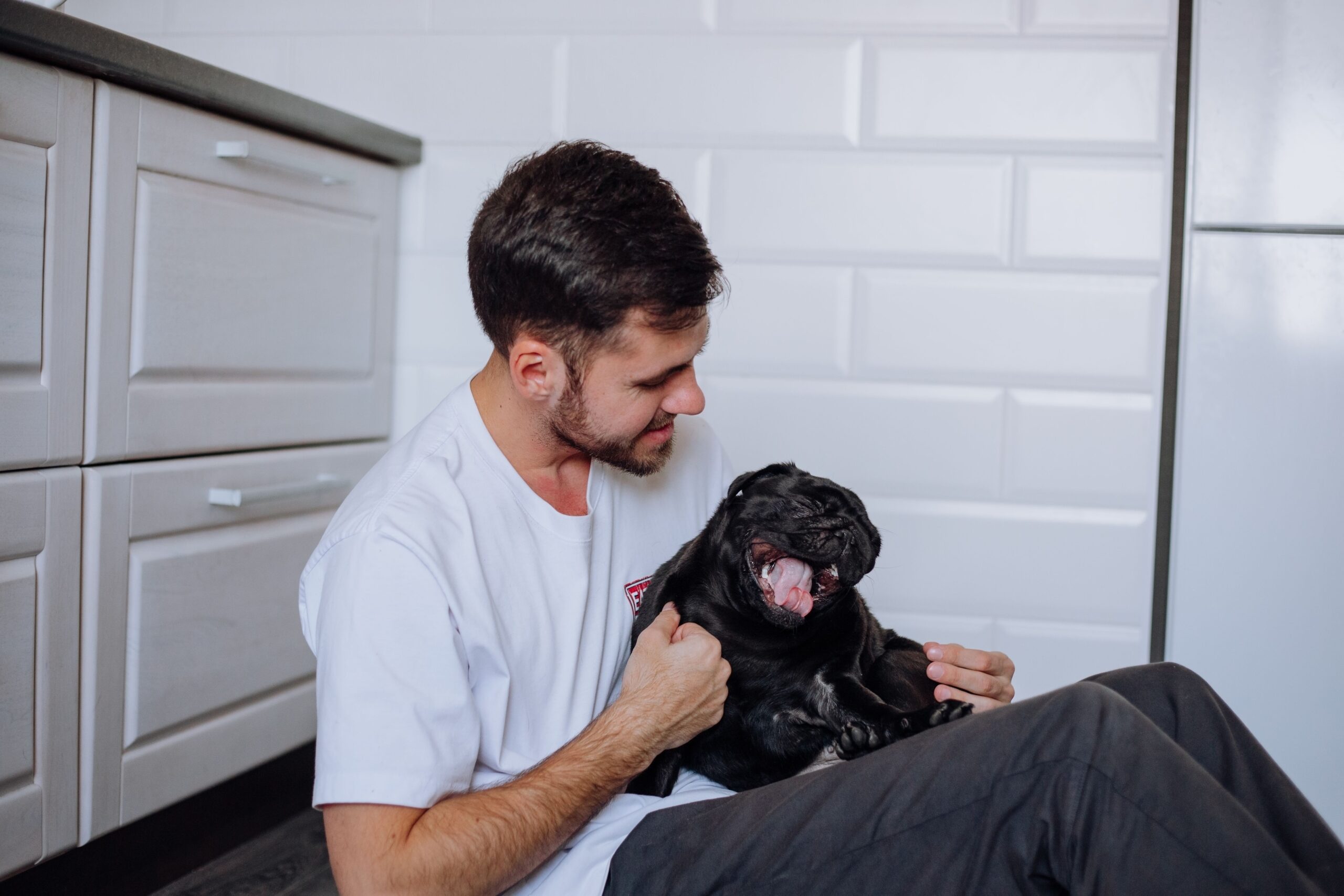
Knowing your pet’s regular baseline is beneficial. Usually, how much do they consume? How regularly do they consume water? What shapes their breathing takes when they‘re calm? Understanding the usual helps one to much better detect what is not.
B. Behavioral Patterns That Point to Something Being Wrong
The first sign of sickness may not be physical at all. It‘s a modification in your pet‘s behavior. Animals usually conceal suffering and pain; hence, behavioral changes usually reflect the body’s means of informing you that something is going on under the surface.
A social animal abruptly spending time alone or under furniture is a strong early indicator.
Aggression or irritation: A usually friendly pet that suddenly bites or growls when touched may be in agony.
Lethargy lasting more than a day is something to watch for, losing interest in play, strolls, or daily activities.
Changes in sleep patterns—sleeping more than normal or anxiety and restless
Too much vocalization—unusual whining, howling, or crying—could indicate pain.
Variations in grooming behavior: a dog that abruptly compulsively licks one spot or a cat that stops grooming
Disorientation or confusion: looking at walls, running into objects, or seeming not to know where you are.
A well-trained animal losing control of their bladder or bowels could be sick inside the house.
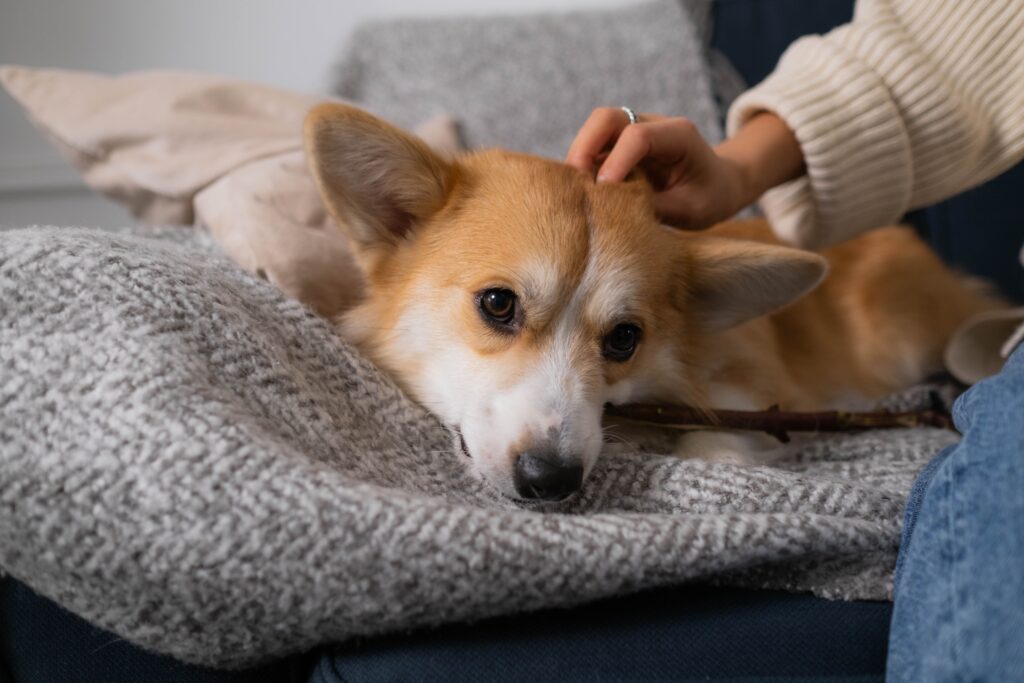
> Though your pet is contacting you via their behavior, they cannot say I am not feeling good today. One of the most crucial things you as a pet owner can do is to learn how to interpret these subtle cues.
C. When Symptoms Call for Waiting and Observation vs. an Emergency
Almost every pet owner finds this part confusing at some time. Do you know if you should rush to the emergency vet at midnight or monitor things till morning? Here is a broad structure that will enable you to choose.
If your pet shows: go straight to the emergency veterinarian.
Breathlessness or gasping
Fall or incapacity to get to one’s feet
Possible exposure to poisons or toxins
Seizures or persistent muscle shaking
unbearable agony (crying out, not moving)
Unrestrained bleeding
gums that are pale, white, or blue
Distended or swollen stomach, particularly in dogs as this could signal bloat or GDV.
Possible fractures or severe injuries
Unconsciousness
If you see any of the following, call your regular veterinarian and schedule a visit within 24 to 48 hours:
one or two times, mild vomiting or diarrhea without blood
less desire for a day
Low energy outside of other symptoms
Slight limping not apparently bad
Slight ear or eye discharge
If your pet:
Had one incident of vomiting without any other symptoms.
Drinking and eating normally though a little quiet
Has a quite little, isolated symptom without other variations
Always call your veterinarian if you’re not sure. Most clinics offer phone lines or after-hours help when you may describe symptoms and get advice on whether to come in. Calling when you’re not sure is not at all humiliating. That is why the veterinarian is there.
II. The First 24 Hours After Observing Your Pet Is Unwell: What to Do
A. Ways to Properly Check Your Pet at Home
Before phoning the doctor, a brief but thorough at-home check will enable you to precisely explain your pet’s state. This is how to run a quick, secure check:
Stay relaxed; your pet senses your worry. Speak in a quiet, steady voice.
Examine their gums; push your finger on the gum and then let go. Color ought to come back inside two seconds
Look at their eyes; are they symmetrical, sharp, and focused? Any unevenness or cloudiness?
Examine the ears; smell them. Check inside for inflammation, redness, or discharge.
Gently feel the body; look for lumps, sensitive spots, or swelling as you run your hands along your pet. Stop if they hurt in response
Watch their breathing—how many times a minute they take a breath at rest. For cats, normal is 20 to 30; for dogs it is 15 to 30 breaths per minute.
See them walk; are they limping? Amazing? move usually?
Look at their paws, coat, skin, and any location they appear to be focusing on for clear damage.
Should your pet suffer during this examination, don’t push it. Record the cause of the reaction and let your veterinarian know.
B. Getting in touch with your vet and exactly detailing symptoms
Calling the vet should help them to have a clear image so that they can appropriately advise you. These are the main points you ought to bring up:
Your dog’s species, breed, age, and weight
How long the symptoms have persisted
What particular symptoms you have observed (try to be as detailed as you can)
Whether anything strange happened lately: fresh food, maybe poison exposure, contact with other animals, stressful events
Any vitamins or drugs your pet is presently consuming
Whether your pet gets immunised and up–to–date on preventative care
> Being precise really helps. My dog looks different is more challenging to handle than My seven-year-old Labrador has been vomiting three times this morning and isn’t eating but is still drinking water.
Search nearby emergency animal hospitals if you can’t get your regular veterinarian. Many places also have telehealth and phone lines for veterinarian assistance.
C. Maintaining a record of symptoms, timing, and changes
As soon as you see something is off, start a basic written diary. This need not be elegant. Perfectly suited are a notes software on your phone or a piece of paper. Track:
Time and date each symptom was initially noted
Description of the symptoms and how bad they appear to be.
What and when your pet consumed food and beverages
Given any drugs—including dose and time
Variations, either symptoms got better, stayed the same, or got worse
If you have a pet thermometer, your pet’s temperature usually ranges from 101 to 102.5 degrees Fahrenheit for dogs and cats.
At the vet visit, this journal will be quite helpful. Many pet owners have been advised by veterinarians that a written record of symptoms enables them to diagnose more quickly and precisely than attempting to remember everything from memory.
III. Working With Your Vet to Obtain the Correct Diagnosis and Treatment
A. What to Expect During a Veterinary Visit for a Sick Pet
Walking into the vet with a sick animal may make you feel worried and confused. Understanding what is likely to occur enables you to remain focused and cool.
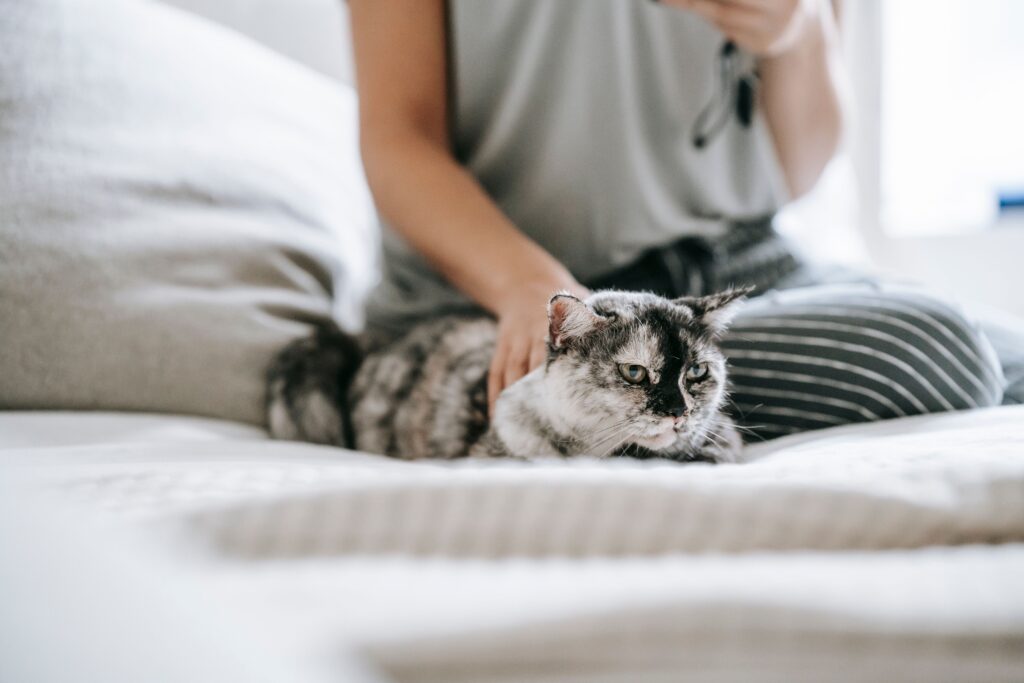
A vet technician will inquire about your pet’s symptoms, food, and medical background. Your written log is quite useful here.
The vet will check your pet from nose to tail, vital signs, lymph nodes, abdomen, heart, lungs, and other body systems.
The vet might advise blood work, urine tests, X-rays, ultrasonography, or a stool test based on results.
Discussion of results— The veterinarian will go over with you what they discovered and what they suspect could be happening.
They will go over the choices, which could be anything from hospitalization to dietary adjustments, more testing, or pharmaceuticals.
The whole appointment could last anything from 30 minutes to a few hours based on how complicated the case is.
B. Knowing Test Results, Diagnoses, and Treatment Alternatives
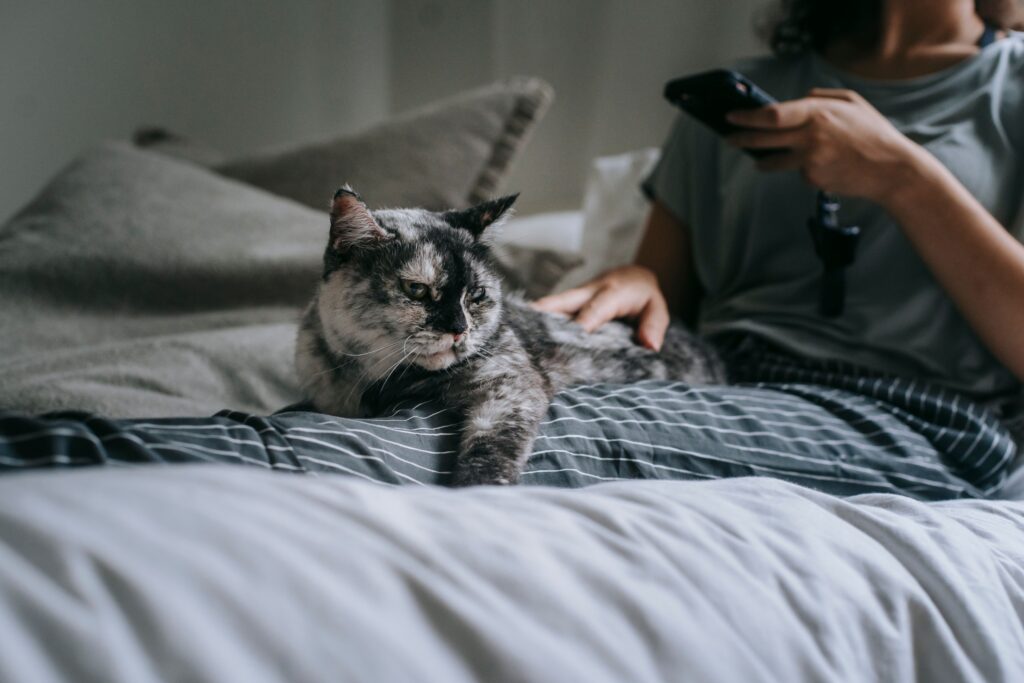
Receiving lab results might seem like reading a foreign language. Here are a few things that assist:
Tell the vet to clarify results in simple language instead of only numbers.
Inquire about the normal range and how far your pet’s results differ from it.
Ask if your pet is diagnosed with anything how common it is, how severe it is, and what the usual course of sickness resembles.
Learn the distinction between care that addresses symptoms and treatment meant to cure the condition.
Inquire about the projected healing period and what recovery looks like.
Inquire why the vet advises surgery, hospitalisation, or a specialist referral and what would happen should you select another route. This is about awareness so you can make wise judgments, not about doubting their knowledge.
C. How to keep knowledgeable during the process and pose the appropriate questions.
Many pet owners felt rushed or did not know what to ask, so they left veterinarian visits with unanswered questions. Here is a useful list of questions to take along:
What do you suppose is causing this?
How bad is this situation?
What are my treatment alternatives, and what are the advantages and drawbacks of each?
What will happen if we do not take care of this?
With this drug, what adverse effects should I search for?
How will I know whether the therapy is effective?
When should I return or what symptoms should make me call earlier?
Should I make any dietary or lifestyle changes at home?
Could you record this or give me notes from today’s meeting?
Don’t be afraid to jot notes during the appointment or even to ask the vet to go slowly. Your pet’s health is as follows. You ought to be aware of developments.
IV. Giving Your Ill Pet at Home the Appropriate Care
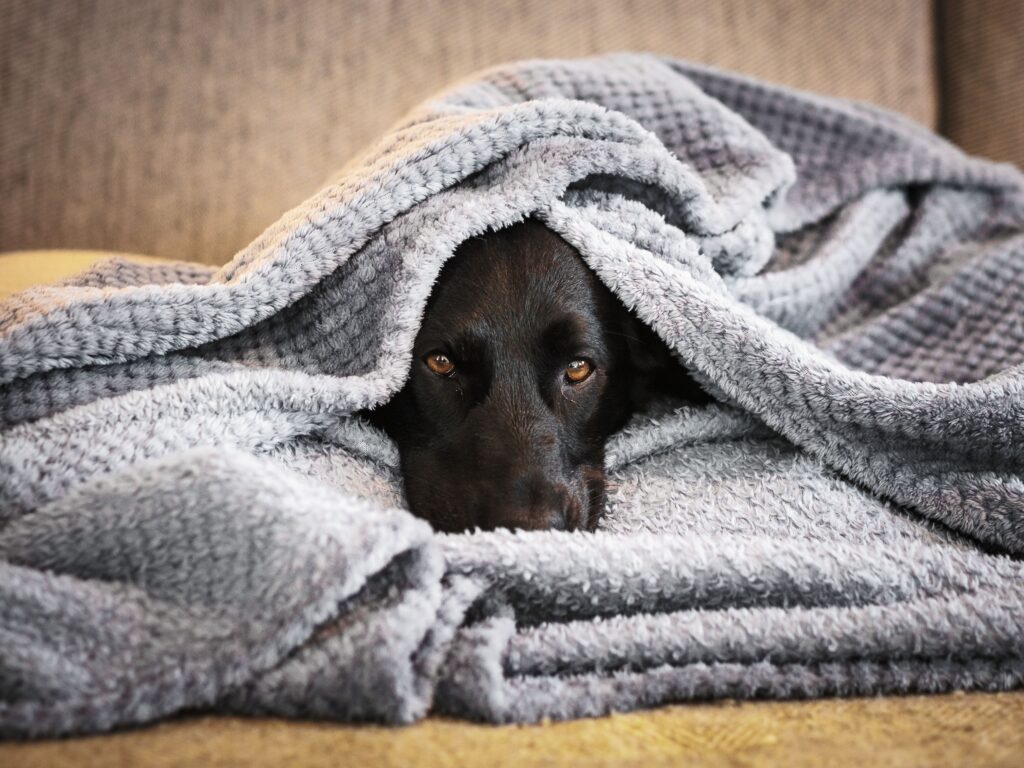
A. Establishing a cozy and safe recovery area
Most people don’t realize how much it counts where your pet lays during sickness. A calm, warm, safe area can enable their body to concentrate on mending instead of handling tension.
Select a low-traffic location away from loud noises, crowded rooms, or other animals that would annoy them.
Offer a comfy blanket or bed; something soft that keeps warm and is placed near to the ground so they do not have to jump.
Maintain the warmth of the area but not overdone; sick animals sometimes have trouble controlling their body temperature.
If your dog is recuperating from a procedure, pain, or weakness, stop them from reaching areas where they might hurt themselves
Keep food and water close by so they don’t have to go too far to eat or drink.
Cut stimulation: Soft lighting and hushed noises can aid a weak pet rest more.
Think about whether other household animals need to be kept apart for recovery. Some diseases can spread between animals; even non-contagious disease might cause stress if another animal keeps disturbing the sick one.
B. Correctly handling doses, medications, and feeding schedules.
Although giving your pet medicine at home might seem daunting, with the correct strategy it is rather doable.
Keep a log of your prescriptions, their dosages, and their delivery times. Mark it off every time to guarantee you never miss or double a dose.
Never miss dosages; even if your pet seems to be getting better, you should always finish the whole course of treatment, particularly antibiotics
As directed, give drugs with or without food; some upset the stomach and should be taken with food; some are less effective with food. Tell your veterinarian to make it clear.
If your pet is reluctant, use pill pouches, cheese, or soft goodies to disguise pills; several veterinarians would be happy to recommend techniques for this.
Aim for the side of the mouth, not the rear of the throat, for liquid drugs using the given droppers or syringes.
Store medicines properly; some should be refrigerated; some should be kept at ambient temperature away from light.
Never transfer prescriptions among animals; what is safe for one animal can be harmful for another, even within the same species.
Call your veterinarian to inquire whether you should re-dose or wait if your pet spits out a drug or throws up soon after ingesting it.
C. Monitoring Your Pet’s Progress and Knowing When to Call the Vet Again
Once you have a treatment plan at home, your work changes to observation and reporting. Daily you should track this:
Does your pet eat and drink? How much from normal?
Can they go to the toilet as usual?
Is the first symptom improving, staying the same, or worsening?
Have any fresh symptoms not present before developed?
What is their attitude and energy level usually?
Recovery hardly ever follows a exactly straight line. Many times, minor obstacles present themselves. You ought to note, though, a general tendency toward development. It’s time to call your veterinarian if two to three days of treatment on your pet result in the same or worse condition.
Should you notice: call your vet sooner.
Any recent or abrupt symptom
drugs that induce vomiting or reluctance to consume them
Reactions to a medicine: swelling, rash, unexpected behavioral shift
An important worsening of any symptom
V. Nutrition and Hydration for a Sick Pet
A. What to feed a cat who has lost appetite
Among the most upsetting and concerning aspects of taking care of a sick animal is a sick pet starving. Here are sensible ways to assist:
Try gently warming the food as warming food to above ambient temperature releases fragrance and could increase its appeal.
Give them something mild: Plain cooked chicken and white rice is usually suggested for dogs with stomach problems. For cats, low-sodium broth or basic cooked chicken can be beneficial
Offer a tiny quantity every few hours rather than two big meals: try smaller, more frequent meals.
Hand feeding is sitting with your pet and providing food from your hands, which sometimes helps. Your presence’s comfort will help to inspire food.
If your pet hasn’t eaten in more than 24 to 48 hours, your vet might recommend a medicine to help to get hungry again.
Stay away from sudden diet changes; they might aggravate digestive problems. Unless your vet especially instructs otherwise, change progressively.
Unless a veterinarian has shown you how and expressly instructed you to, do not force feed your pet. Making food can stress the body more and cause aspiration—that is, food entering the lungs.
B. Ensuring Your Pet Is Hydrated While They Are Sick
Sick animals run a fast-moving and major hazard from dehydration. This is how you could promote drinking and look for symptoms of dehydration:
Signs of dehydration in animals:
Dry or sticky gums (should be moist)
Skin that doesn’t quickly rebound when softly pinched
Sunken eyes
Excessive tiredness
Dark urine, if you can see it.
How to promote hydration:
Set several water basins all around the house.
Give water from a flowing pet fountain; some animals consume more from moving water.
To give water more appeal, add a little low-sodium chicken or beef broth.
Cats should have wet food instead of dry food since it contains significantly more water.
If your pet will eat them, give them some ice chips.
Your veterinarian could suggest subcutaneous fluids at home for severe dehydration; they can show you how to properly give them.
C. Foods and Substances to Steer Clear of While Your Pet Is Recumbent
Certain substances and foods can either impede healing or inflict more harm. Steer clear of these when your pet is sick:
Human pharmaceuticals, including aspirin, acetaminophen, and ibuprofen, are poisonous to many animals.
Rich, fatty, or very processed foods—those are difficult to digest—can aggravate stomach symptoms.
Dairy items — Many species are lactose intolerant and dairy might induce diarrhea.
Bones, especially cooked bones, might splinter and cause inside damage.
These toxins kill dogs and cats: chocolate, grapes, raisins, onions, garlic, xylitol.
Alcohol and caffeine — Clearly, but worth mentioning clearly
Any new meal your veterinarian hasn’t given the go-ahead; when a pet is ill, now is not the time to try out different foods
VI. Looking After Your Emotional and Mental Health When Your Pet Is Ill
A. As a pet owner, dealing anxiety and stress
This aspect of the subject is not discussed nearly as much. Looking after a sick pet is quite difficult. All of it builds up: the anxiety, the restless nights, the financial pressure of vet bills, and the emotional burden of not knowing whether your pet will survive.
Here are some frank, sensible approaches to handle:
Admit what you‘re going through; worrying about a pet is reasonable. You do not have to minimize it.
Concentrate on what you can manage; you can show up, adhere to the treatment plan, and closely monitor your pet; you cannot control the diagnosis.
Looking for symptoms online late at night practically always results in the worst-case scenarios and more anxiety. Instead, ring your vet.
Sleep deprivation makes everything seem more difficult; get enough of it when you can. If your pet is consistent, rest
Stick to a schedule; this helps you avoid breaking apart by keeping your own everyday activities as much as possible.
Speak with someone—whether a friend, a family member, or a therapist—sharing your anxiety helps.
B. How to Get the Entire Family, Even the Kids, Engaged in the Care Process
A sick pet affects the entire family. If a cherished pet is sick, children especially might be anxious and confused.
Tell youngsters the truth in age-appropriate language; you need not act as though everything is well, but you also need not overreact. A decent beginning is that our dog is ill and the veterinarian is assisting her in improving.
Assign kids roles; they feel better when they have something to do. Sitting gently with the pet, they can also assist update the water dish or track medicine timings using a chart.
Answer their questions truthfully; if they inquire whether the pet will be okay, it‘s okay to respond We hope so and we are trying our best.
If fit, let kids say goodbye; a pet that is very ill should get youngsters a chance to show love and bid farewell for their grieving process.
Keep an eye on symptoms the youngster is having trouble; nightmares, mood changes, or withdrawal following a pet’s illness are common but need to be treated.
C. Getting help from professionals, communities, other pet owners
You need not experience this by yourself.
Thousands of pet owners who have gone through comparable circumstances and are usually kind with their knowledge and support may be found on online communities like Reddit’s r/dogs, r/cats, and particular breed communities.
For rare or breed-specific diseases, breed-specific Facebook groups or forums might be quite beneficial.
Most veterinary employees really care about your pet as well as you. Feel free to phone with inquiries between appointments
For owners suffering from chronic disease or terminal diagnoses in their animals, there are in-person and internet pet loss and illness support groups.
If your depression or grief is seriously interfering with your everyday activities, talking to a therapist is both sensible and worthwhile.
VII. Extra Factors for Various Kind of Sick Pets
A. Caring for a Sick Dog Against a Sick Cat
Dogs and cats have very different personalities, and these differences get really crucial when they are sick.
Dogs:
Have a tendency to show symptoms more clearly and are more probable to seek comfort from their owners.
might take medicine more readily (particularly buried in food)
Many dogs want to stay active even when ill, so they sometimes need to be reminded to rest.
Dogs can rapidly become dehydrated, especially following vomiting or diarrhoea.
Certain breeds have particular health hazards; deep-chested breeds like Great Danes, for instance, are susceptible to bloat.
Cats:
Much better at concealing sickness, usually until it has advanced considerably
When they are sick, they usually withdraw and seek cover.
More sensitive to several drugs, never offer a cat any medicine meant for humans or dogs without first consulting a veterinarian.
If a cat goes without food for more than 24 to 48 hours, it is more likely to acquire hepatic lipidosis (fatty liver disease) and hence its lack of hunger is more pressing than it would appear.
Very vulnerable to stress, so especially crucial during illness is reducing interference in their surroundings.
B. What to Remember When a Small Animal, Bird, or Unique Pet Gets Sick
Little animals, birds, and exotic pets need particular care because:
Very skillfully they hide sickness and often seem normal till they are severely ill
Their quicker metabolisms allow disease to progress quickly and therefore intervention cannot be postponed.
Most general practitioners lack exotic animal care expertise; thus, you will need to locate one specializing in exotic animals.
For hamsters, guinea pigs, rabbits, and other tiny creatures:
A rabbit’s delicate digestive system makes even 12 hours of hunger an urgent situation.
Look for variations in droppings‘ amount, size, and consistency.
Keep them warm since little animals lose body heat fast when they are sick.
For avian species:
Birds are expert at hiding sickness. You might already be somewhat ill by the time you realize something is amiss.
Symptoms include fluffed feathers, sitting on the cage bottom, daytime closed eyes, or variations in droppings.
If at all feasible, a sick-looking bird needs a same–day veterinarian visit.
For fish and reptiles:
Reptiles require a veterinarian knowledgeable in reptile treatment.
First, fish sickness calls for water quality testing as most fish disease is linked to water.
C. Managing Disease in Older Dogs or Animals With Pre-existing Medical Issues
Older pets and those with chronic medical issues call for some more consideration during illness.
Senior pets cannot recover as quickly from dehydration, temperature changes, or side effects of medicine. They should be more often seen by a veterinarian and watched more closely.
Pets with diabetes, kidney disease, or heart disease could have dietary, drug, and fluid intake limitations that affect how they manage their disease. When introducing a new disease, always let your veterinarian know of any diseases already present and present medicines.
In older or chronically ill dogs, polypharmacy—that is, several medications—is more frequent and drug interactions present actual risk. Your vet ought to be aware of all your pet is taking, including supplements.
With elderly pets, quality of life becomes a more important topic. The aim changes at certain point from curing a disease to maintaining your pet‘s comfort and happiness for the time they have.
VIII. Keeping Your Pet Healthy Long Term and Helping to Avoid Future Sickness
A. Routine Veterinary Visits and Immunization Schedules
Preventive care is much less expensive and unpleasant than treating sickness once it has taken hold.
Annual or semi-annual checkups — Most younger, healthy dogs need one checkup a year. Regular check-ups every six months help elderly animals since they age quicker and issues can arise fast.
These safeguard against major, usually lethal illnesses. These include distemper, parvovirus, adenovirus, and rabies for dogs. These include rabies, herpesvirus, calicivirus, and panleukopenia for cats.
Non-core vaccines are chosen in accordance with the way your pet lives. A dog that frequently visits dog parks could need kennel cough vaccination; an outdoor cat might require feline leukaemia vaccine.
Regular flea, tick, and heartworm prevention is absolutely necessary for parasite control. These parasites can be very harmful and even life-threatening in some cases.
One of the most widespread and neglected health problems in companion animals is dental disease. Over time, it can damage the kidneys, liver, and heart. Regular dental appointments and at-home care really change things.
B. Food, exercise, and lifestyle choices help to maintain pet health.
Over years, the daily routines you develop on your pet’s needs have a cumulative influence on their welfare.
Give your pet a high-quality, age-appropriate diet. Look for foods that fit requirements established by recognized pet nutrition organizations and are suitable for your pet’s life stage (puppy/kitten, adult, senior)
Limit goodies to less than 10% of everyday calories as obesity is among the most often preventable diseases in pets and greatly reduces their lifetime.
Give regular, appropriate exercise; this differs greatly across species and breed. A Persian cat has very different exercise requirements than a Border Collie
Mental stimulation is also important; bored animals can become anxious and occasionally exhibit destructive conduct. Mental health is enhanced by puzzle feeders, training, games, and social activity.
Keep the environment stress-free; animal immune systems are compromised by chronic stress exactly as human ones are.
Early Identification Methods and Health Monitoring Resources for Pet Owners
Simple behaviors and technology will enable you to detect health problems earlier.
Once a month, spend five minutes feeling your pet’s body all over. Feel for lumps; examine their coat, eyes, ears, and teeth condition. Mark anything that wasn’t there last month.
Weight tracking—often the first sign of an underlying medical problem—unexpected weight loss or gain. Check your pet‘s weight monthly at home or at the vet office.
Pet health apps—Apps including PetDesk, Vitus Vet, and others let you track notes, vet appointments, and drugs in one location.
Wearable pet health monitors — In certain situations, devices like FitBark and PetPace monitor activity levels, sleep, heart rate, and temperature. An early indication of sickness might be a major activity change.
Know your pet’s normals: weight, appetite, bathroom habits, gum colour, breathing rate, and temperature. The more you know what is typical, the quicker you will notice when something isn’t.
In essence
One among the most difficult tasks you will do as an animal owner is nursing a sick pet. Still, it‘s among the most significant ones. When your pet is sick, the procedures are more obvious than the anxiety makes them seem: notice the symptoms early, call your veterinarian, bring helpful information to the appointment, rigorously adhere to the treatment plan, make your pet comfortable and hydrated, and watch closely for changes.
You are not supposed to be a veterinarian. Still, you are the finest champion for your pet. You know them more intimately than anybody else. You observe before anybody else does when something is wrong. Good veterinary care, a well-structured plan of home care, and the will to seek help when you need it give your pet the greatest hope of recovery.
In this process, also take care of yourself. Your well-being is important since an exhausted, burned-out pet owner cannot provide the best attention. Depend on your support system, go boldly with inquiries, and have faith that doing your best is sufficient.
Your pet is lucky to have someone who cares enough to learn how to execute this properly.
Commonly Asked Questions (FAQs)
Q1. How can I tell if my pet is gravely ill or merely having a terrible day?
Consider the pattern and length of symptoms. One episode of vomiting in an otherwise alert, eating, and energetic pet is likely not serious. Never something to wait out are many symptoms showing up together, symptoms that linger more than 24 hours, or any signs including breathing difficulty, pale gums, collapse, or great tiredness. Call your vet and go over what you are seeing if you are really confused. They can enable you to make a decision about whether to visit.
Q3. Should my pet get human medicines when they are sick?
Not without clear instructions from your vet, no. Many often used human drugs are very poisonous to animals. Dogs and cats both find ibuprofen (Advil, Motrin) deadly. Particularly dangerous to cats, acetaminophen (Tylenol) can be lethal even in very minute amounts. In dogs, aspirin might result in severe internal bleeding. Though your vet might sometimes suggest certain human meds in particular dosages for your particular animal, this should only ever be done on their explicit instruction.
Q3 What should I store in a home pet first aid kit?
A thorough first aid kit for animals ought to have:
digital rectal thermometer and mineral jelly
Gauze pads and self-adhesive bandage wraps
Medical tape
Blunt-end tweezers and scissors
Saline eye wash
Three percent hydrogen peroxide (for wound cleaning; never use for inducing vomiting without vet guidance).
Wipes with antiseptic properties
Disposable gloves
a muzzle suitable for the size of your pet (wounded animals in pain can bite).
a duplicate of your vet’s contact information and the closest animal hospital emergency
The list of drugs your pet takes as well as their medical history
A little flashlight
For minor bleeding from nails, styptic powder or cornstarch
Q4. Usually, how long does it take for a sick pet to get better?
This is based completely on the issue. A little stomach bug can pass in 24 to 48 hours. Treated with medicines, a respiratory infection could run one to two weeks. A surgery can call for four to eight weeks of healing time. Chronic diseases including kidney disease or diabetes call for continuous care instead of a clear-cut recovery period. Given the precise diagnosis, your veterinarian ought to offer you a sensible timeframe. Get in touch with your veterinarian if your pet is not getting better inside the window of time anticipated.
Q5 Should I keep my ill pet apart from the other animals in the house?
It relies on the disease. Conditions brought on by bacteria, viruses, or parasites—like kennel cough, ringworm, feline respiratory viruses, or intestinal worms—may spread to other animals. Your veterinarian will advise you whether isolation is required given the particular disease your pet has. Separating a sick pet from others in the house can help them to relax without being disturbed—almost always advantageous—even for non-contagious disease.
Q6. The most often observed diseases in cats and dogs are what?
In canine:
Ear infections
Allergies and disorders of the skin
Disease of the teeth
Diseases connected to obesity
Gastroenteritis—vomiting and diarrhea—
Arthritis in older canines
Cough of a kennel
Unvaccinated dog parvovirus
In felines:
Upper respiratory illnesses
Urinary tract disease and obstructions (mostly in male cats)
problems with teeth
Especially in older cats, kidney illness
Feline immunodeficiency virus and feline leukemia virus
For older cats, hyperthyroidism
Intestinal worms
With regular veterinary attention and current vaccinations, many of these are treatable or controllable.
Q7. How should I take care of a pet that won’t eat or drink while sick?
First, make food and water more appealing; gently warm the food; try a different texture; low-sodium broth added to water; or hand-off small portions. Particularly for cats, not eating for more than 24 to 48 hours is a medical issue in itself and you should call your vet right away. Call your doctor if your pet is exhibiting symptoms of dehydration or has not eaten for more than 24 hours. At home, they could advise syringe feeding, appetite-stimulating medicines, or subcutaneous fluids. Don’t compel feeding without medical direction.
